Kermanshah This historic city, dating from the 4th century BC. is surrounded by the Zagros mountains, on the border of Iranian Kurdistan and Iraq, and with the Behistun as the highest peak it becomes one of the most picturesque cities in the country. Due to its pleasant and temperate climate, Kermanshah was the second capital during Sassanid times. Some pieces of stones discovered in the Kermanshah caves are estimated to be 200,000 years old, belonging to the primary human beings. This city serves as a base to know the prodigious reliefs of Behistun, remaining from the Achaemenid period, registered as a World Heritage Site by UNESCO in 2006. From an economic point of view, Kermanshah is an important commercial center in the west of the country, focused on agriculture and industry. The region is an important producer of wheat, vegetables and fruits, and also contains agri-food factories (sugar, oil, flour), cement and textiles. Moaven ol-Molk Mosque A shrine dedicated to Imam Hossein built in 1886 by Moaven ol-Molk. Converted into the venue for religious ceremonies, it consists of three parts: Hosseiniyeh, Zeinabiyeh and Abbasiyeh. Both its exterior and interior are decorated with polychrome tiles. The enclosure has two patios and a main room with stained glass and a dome. The interior is adorned with paintings of bloody scenes of religious battles, animals, characters of the time and of kings, and cities. To get to Hosseiniyeh, you have to go down 17 steps as the structure is six meters below street level. Hosseiniyeh has a small courtyard surrounded by several rooms and decorated with blind arcades. Abbasiyeh consists of a courtyard and a two-story building on the east side with the walls decorated with tiles. Zeinabieh, on the other hand, houses the tomb of Moaven al-Molk. Taq-e Bostan A series of
Kermanshah
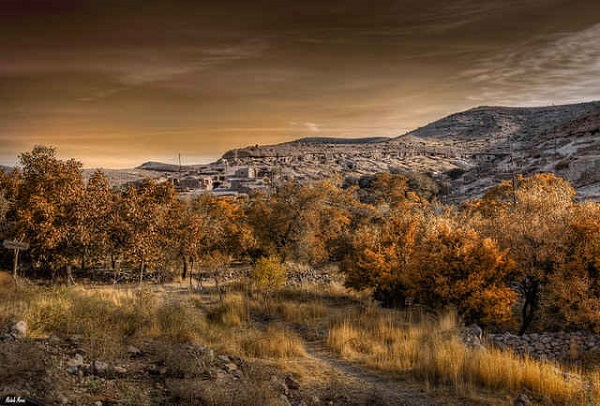
This historic city, dating from the 4th century BC. is surrounded by the Zagros mountains, on the border of Iranian Kurdistan and Iraq, and with the Behistun as the highest peak it becomes one of the most picturesque cities in the country. Due to its pleasant and temperate climate, Kermanshah was the second capital during Sassanid times. Some pieces of stones discovered in the Kermanshah caves are estimated to be 200,000 years old, belonging to the primary human beings.
This city serves as a base to know the prodigious reliefs of Behistun, remaining from the Achaemenid period, registered as a World Heritage Site by UNESCO in 2006. From an economic point of view, Kermanshah is an important commercial center in the west of the country, focused on agriculture and industry. The region is an important producer of wheat, vegetables and fruits, and also contains agri-food factories (sugar, oil, flour), cement and textiles.